How Replit generates hundreds of millions of views a month and how you can copy their playbook using NextClip
|August 5, 2026|9 min read
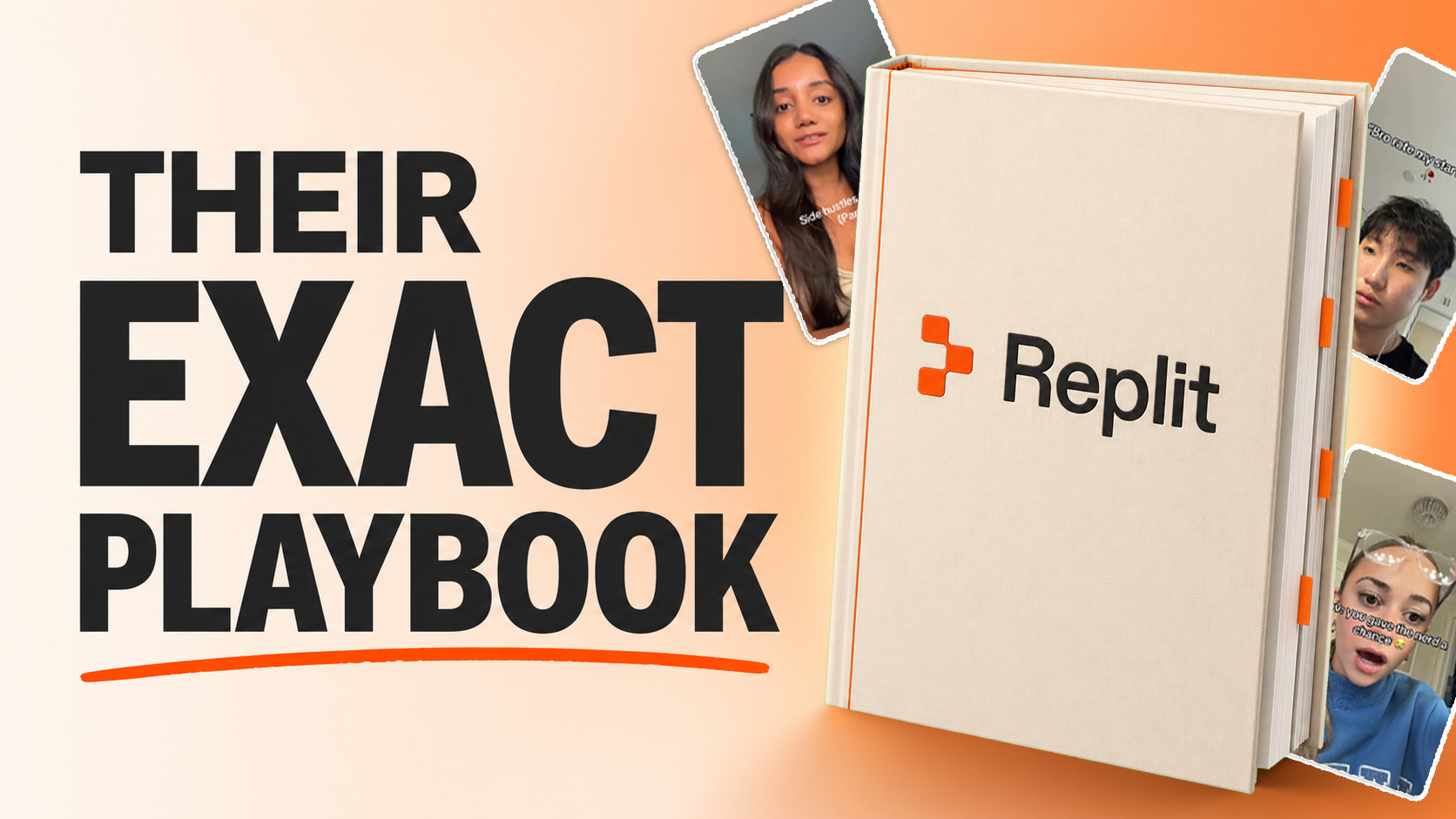
One of the most successful creator programs…
If you’ve ever wondered how a multibillion-dollar tech company captures hundreds of millions of views through creator content, Replit is one of the best examples to look into and study.
I spent over 100 hours analyzing its UGC program to reverse-engineer the strategy so you can copy it. At first, the playbook appeared simple: recruit a large number of creators and have them publish videos featuring Replit. With enough capital creates enough volume and success follows.
But high volume UGC alone isn’t enough to substantially contribute in making a company worth $9 billion. To get to that scale it takes a clear understanding of something more, it needs systems and infrastructure behind it to make it possible.
Once I dug deeper, I started finding the small decisions behind the results: how Replit selects creators, the formats it repeatedly tests, how the product is positioned inside each video to make what's seemingly a product promotion video into something viral worthy. Everything down to the subtle changes they make when recreating a winning concept or tweaking a failed concept and turning it into a viral one.
Those details have helped Replit build one of the largest UGC programs in tech, and they are exactly what I want to discuss in the rest of this quick read.
Don’t just try to hire a big face
Before getting into the strategy, it is important to see what Replit’s UGC program actually looks like in action. Here are just a few examples of creators I found and their videos they made:
Creator A Follower Count: 1,300
3.8 Million Views, 22 Thousand Likes, 160 Comments
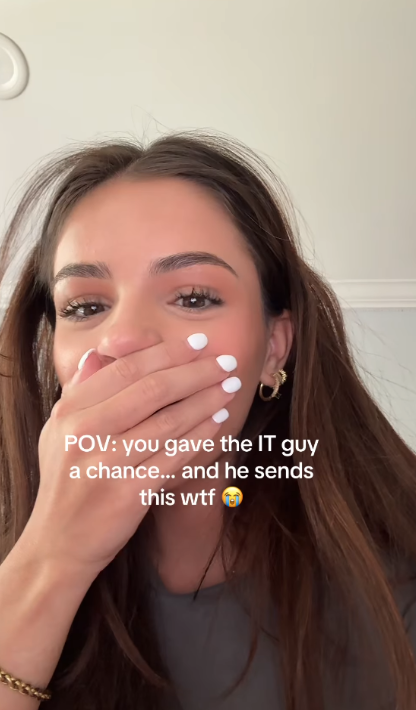
Creator B Follower Count: 18,000
38 Million Views, 1.8 Million Likes, nearly 5,000 Comments.
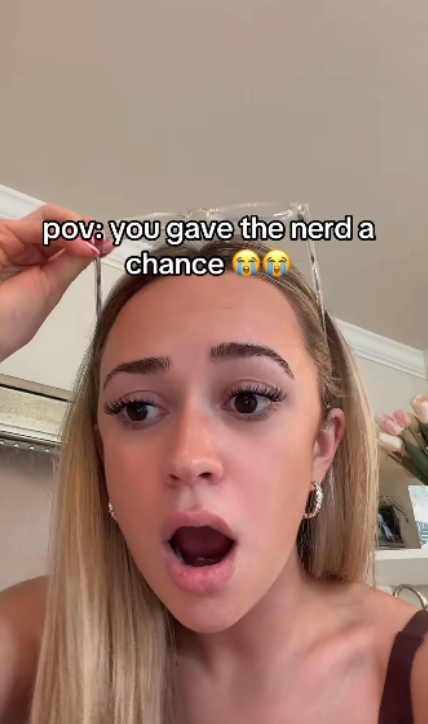
Creator C Follower Count: 38,000
834 Thousand Views, 23 Thousand Likes, 500 Comments
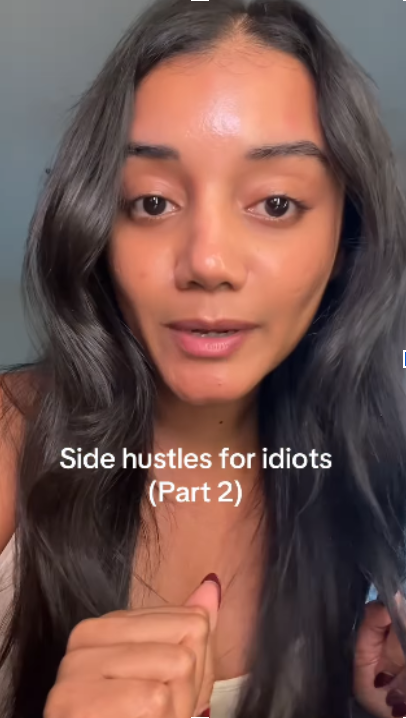
These are only three of MANY videos, but they reveal the first important takeaway from Replit’s program.
You do NOT need to hire creators with massive audiences. It is far cheaper and more effective to hire micro-creators at scale who can make content capable of performing when given the right idea, format, and direction.
Creator A had less than 1,300 followers when her video generated 3.8 million views. That single video reached over 3,000x her follower count, you could never see that level of return hiring a large creator with hundreds of thousands of followers.
Replit was not paying to access an audience of 3 million followers, they paid simply for a small creators time. an opportunity to produce a video that the algorithm could distribute to millions.
This creates a MUCH better way for the brand and creator to have a more symbiotic relationship. Replit keeps its upfront cost per creative low, while the creator receives meaningful upside if the video performs.
For example, a $20 to $40 guaranteed flare rate payment can be quite standard for creators of that size, this then being paired with a CPM upside at $1 would pay the creator $1,000 for every million views they get. Incentivizing your creators to not just deliver you the bare minimum but to actually make the best piece of content they can. Although it's important to know some programs will cap CPM per video to rates of $500-$1,000 quite often, it’s not like you have to pay out $3,800 in performance for a 3.8M view video.
This allows them to Instead of spending the entire budget on one large influencer, Replit can spread that budget across many smaller creators. Every creator becomes another opportunity to test a hook, format, topic, or way of positioning the product.
This gives Replit three major advantages:
- More content can be produced at a much smaller cost.
- Each new video creates another chance to find an outlier, or an angle of promoting the product differently to see what creates the best conversion.
- The scale is much greater, you can have dozens of creators posting about your product. Essentially an internet billboard on many different peoples feeds rather than just 1 type of feed.
Follower count can still be useful, but it is not the most important factor in this kind of program. The creator’s ability to communicate an idea, hold attention, and make a script feel natural is far more valuable.
The Product Is Rarely the Point of the Video
Now this is where I think a truly great creator program distinguishes itself from just an average one. At the end of the day your goal is to create a piece of content that gets as many people as possible to end up using your product.
The problem with this though is if you focus on strictly talking about the product, why you should use it, and then having a CTA at the end of the video, more often than not that simply won't perform. Unlike a paid ad you need to play into the algorithm and be a bit more subtle with how you position the product which Replit does quite a good job of.
In many of its most successful videos, Replit is barely the topic. The video is instead built around an emotion, desire, or a certain outcome the viewer already cares about and wants. They then are the subtle tool behind that outcome.
One of the clearest examples of this I mentioned earlier:
The video begins with a girl reacting to something a guy sent her. She looks surprised before turning the camera toward her computer. On the screen is a small web app asking whether she will go on a date with him.
She is given two choices: “Yes” or “No.” But whenever she tries to select “No,” the button moves away from her cursor.
The actual idea behind the video has almost nothing to do with a coding tool. It is about a funny, creative, and slightly ridiculous way to ask someone on a date.
People are naturally impulsive when it comes to dating and the purchases they will make, leaning into natural human behavior with the product baked in.
The video gets the viewer interested in the outcome first. The product becomes the way to achieve it. This same idea is applied in many ways, mainly on the strong desires most people already have.
That leads to one of the most important lessons from Replit’s content strategy:
‘Don't start by asking how you can make people care about your product. Start by asking what they already care about and how your product can become part of that story.’
How Replit Structures a Winning UGC Campaign
Replit does not run its entire creator program through one campaign with one payment structure.
Instead, they use different incentives depending on what they want from the creators for that campaign. From what I found, when looking into it they have 3 main types of creator campaigns they run all for different phases of their content pipeline:
Level 1: Pay Creators to Test New Ideas
The first level is where they will test more experimental concepts. These creators are often given a guaranteed base payment because they are taking on more of the creative risk. They may need to develop a new angle, adapt an unproven concept, or produce a video without knowing whether the format will perform.
Some of these campaigns also include CPM upside but many of them will have a flat rate per video. The base rate guarantees that the creator is paid for producing the video, while the performance bonus gives them a reason to really put in the extra effort to make the best video possible and really try to make the new formats go viral. Because lord knows if you simply give a flat rate you're gonna get bare minimum performance.
At this level it is quite experimental; they can test different hooks, whether it's a change of text hook, change of pacing, or the initial visual hook paired with everything else. Even simply how fast the creator is talking down to their body language and delivery can completely change a video's performance.
It really is crazy how much of a difference these things can make on a video's performance. These 2 videos are a perfect example. They are literally the same exact script and idea word for word identical. The only difference… Tone, talking speed, initial visual hook, and the text hook.
Level 2: Pay for Performance on Proven Formats
Once they find a format that works, the payment structure can change. The winning video is passed to more creators to recreate it and try to spark that same virality, sometimes dozens of times the same creator will post different renditions of that same exact video. These creators may receive a smaller base payment or no guaranteed payment at all. Instead, the campaign offers a higher CPM, sometimes $4 or more per 1,000 views they get, this of course incentivizes not just quality but volume which is why they end up trying to make version after version of the same video. Having the ability to make a few dollars per thousand views and see someone who made the exact same video getting 800,000+ views can be quite the motivator.
Level 3: Build Consistency Through Replit Ambassadors
The third level from my research seems to be Replit’s ambassador program.
These creators work through ongoing deals with monthly posting quotas. A creator may agree to publish a certain number of Replit videos each month in exchange for a set payment.
Ambassadors are often given winning scripts and formats to recreate, but they are also encouraged to test new angles and produce variations of what has already worked.
This makes them valuable for both consistency and experimentation. They give Replit a predictable amount of content every month, help mass-produce proven formats, and continuously test the small changes that could uncover the next winner.
Each incentive has a different purpose, but the three levels work together:
● Base-rate campaigns pay creators to test ideas and take creative risks.
● CPM-focused campaigns distribute proven formats where creators see how much they could make by recreating already viral videos on a performance only basis.
● Ambassador retainers create consistent monthly volume and continuously produce new variations that can funnel ideas back into the CPM focused campaigns.
The system allows Replit to spend differently depending on how much it already knows. When the idea is unproven, Replit pays creators to test it. When the format is proven, Replit pays creators to perform. When the creator is reliable, Replit pays them to produce consistently. This is what turns Replit’s program from a collection of sponsored posts into an actual content engine. New ideas are tested, winning formats are mass-produced, and ongoing creators keep the entire cycle moving.
The systems needed to run this
Running a creator program like this requires more than a good strategy. It requires the infrastructure to operate it.
Otherwise, you’re finding creators through cold DMs, negotiating rates individually, sending briefs through Google Docs, collecting content across different platforms, paying every creator manually, tracking posts through spreadsheets, calculating performance bonuses, and chasing down Spark Ad codes and Partnership Ad permissions.
That becomes a complete time sink when working with more than a few creators. Even worse, public performance data only tells you part of the story. You cannot see metrics like viewer retention unless each creator manually sends you screenshots of their analytics. That means one of the most valuable data points for understanding why a video did or didn’t work is hidden from you. You have no idea where and why a user dropped off when watching.
So, here is my shameless plug.
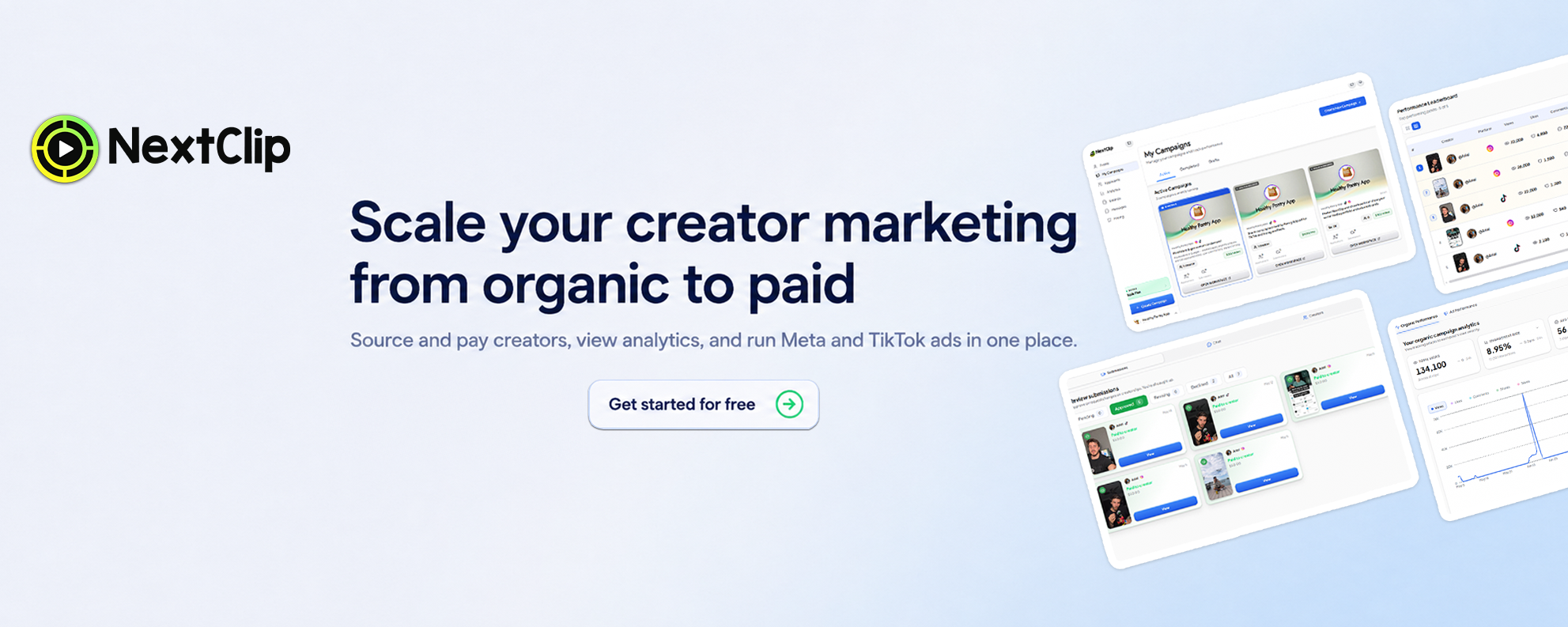
I built NextClip to solve all of that and to bring that entire process into one platform. You create your campaign, choose the incentives, and creators come to you. Their content is submitted and tracked inside the platform, even things like retention which are never exposed publicly. All Payments and performance bonuses are handled automatically, and every post is ranked on a content leaderboard.
When you find a winning piece of content, you can launch it as a Meta Partnership Ad or TikTok Spark Ad without leaving NextClip. So if you want to build a creator program using the strategies covered in this report, book a call with me. We can discuss your brand, the types of creators and formats you should test, and how NextClip can help you run it and grow your company.
Book a Call with me: https://nextclip.net/book-a-call
Send me an email: Gabriel@NextClip.net
Ready to put this into practice?
NextClip connects brands with creators who make content that performs.
Get started